Many physical therapy clinics and sports recovery studios now offer retail products as part of their patient care model.
These are not traditional “shop items” in the retail sense. In most cases, they are simple recovery tools that support home exercise programs and help patients continue their progress outside the clinic.
The most successful retail products tend to share one key trait: they are useful in daily recovery routines.
Resistance Bands

Resistance bands are one of the most common retail items in PT clinics.
They are widely used in treatment sessions and easily carried into home exercise programs. Patients can use them for strength training, mobility work, and progressive rehabilitation across different body regions.
Why they work well:
- Low cost and easy to stock
- Simple for patients to understand
- Used repeatedly in home exercise programs
- Suitable for many conditions
Foam Rollers

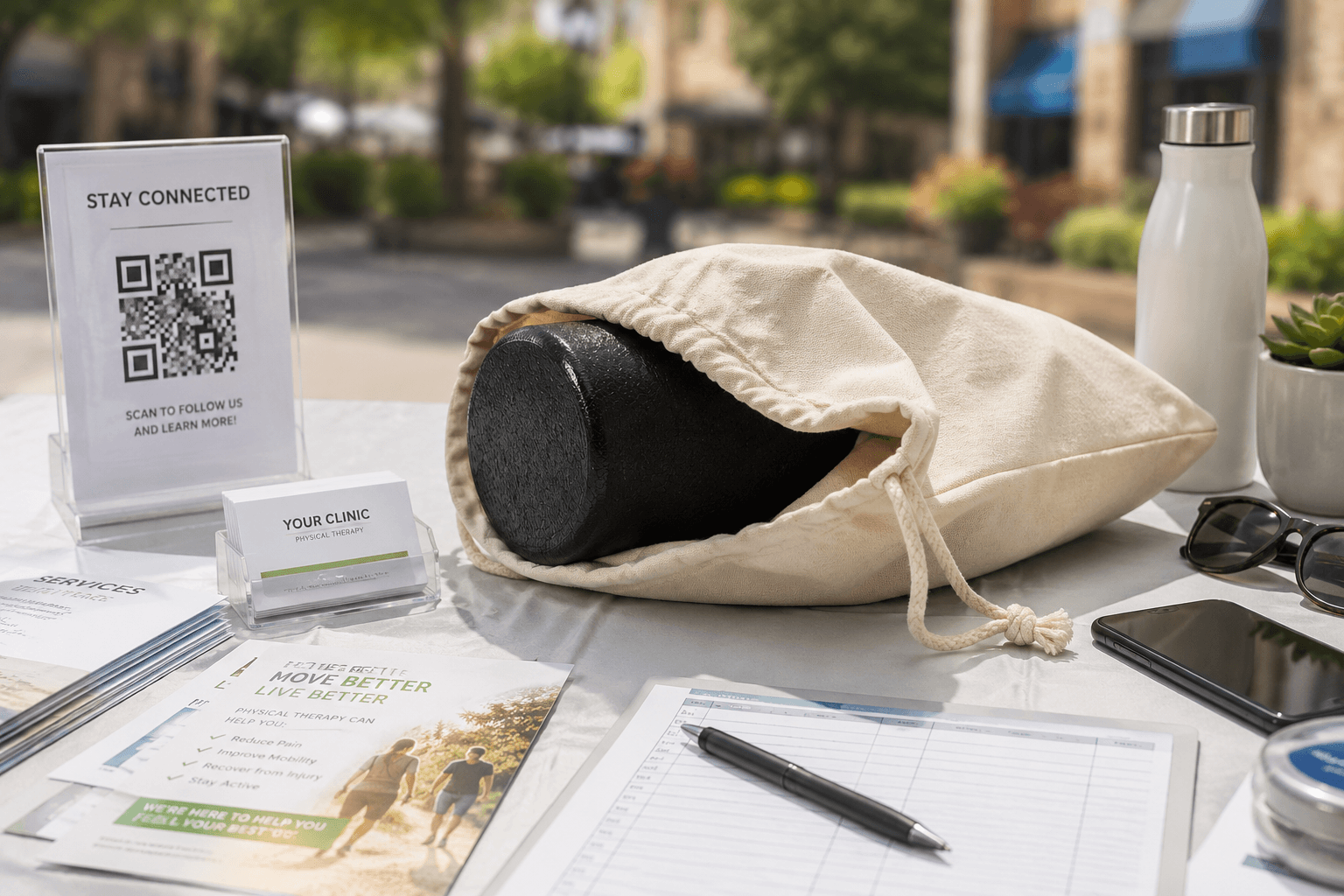
In this image: An EPP high-density foam roller
Foam rollers are another staple product in many clinics.
They are commonly used for muscle recovery, mobility improvement, and self-myofascial release. While not every patient uses them long-term, they remain a popular recommendation for active individuals and sports recovery cases.
Foam roller performance differences are often underestimated at the ordering stage. EVA/PE materials feel softer and more forgiving, while EPP high-density rollers behave significantly firmer in compression tests. In practice, first-time users often only understand the difference after physically testing both types side by side.
From sourcing experience, clinics sometimes request “standard foam roller,” but usage feedback later shows preference shifts depending on patient type (sports recovery vs general rehab).

In this image: An EVA foam roller
Why they work well:
- A familiar recovery tool for many patients
- Supports mobility and recovery routines
- Available in different sizes and densities
- Easy to demonstrate in clinic sessions
Massage Balls and Trigger Point Tools

Small self-massage tools are frequently recommended for targeted muscle relief.
These include lacrosse-style balls, trigger point balls, and compact massage tools that can be used at home, in the office, or at the gym.
Why they work well:
- Highly portable
- Inexpensive
- Easy to integrate into daily routines
- Useful for specific pain or tension areas
Massage balls are often perceived as low-value add-on items during sourcing discussions, but real clinic usage shows they are among the most consistently retained patient tools. Unlike larger equipment, they rarely get abandoned because they are easy to store and use without instruction fatigue.
In our sourcing experiences, they are also commonly re-ordered in small batches due to loss, wear, or expansion of patient programs.
In many cases, this only becomes clear after clinics start using the product in real patient programs. What looks like stable demand during initial planning can change once actual usage patterns appear.
Stretch Straps and Mobility Aids

Stretch straps are commonly used in flexibility and range-of-motion programs.
They help patients perform controlled stretches without requiring assistance. Many clinics incorporate them into discharge plans or long-term mobility routines.
Why they work well:
- Easy to use at home
- Supports consistent stretching habits
- Low cost and durable
- Suitable for all age groups
Hot and Cold Therapy Products

Reusable heat and cold packs are widely used in recovery management.
They are often recommended for short-term symptom relief alongside exercise-based rehabilitation programs.
Why they work well:
- Simple and intuitive to use
- Useful across many conditions
- Affordable and reusable
- Complements exercise programs
Why These Products Sell in Clinics
Unlike traditional retail environments, PT clinics are not selling lifestyle products.
They are offering tools that support recovery.
The most successful products tend to:
- Be introduced during treatment sessions
- Require minimal explanation
- Fit easily into home routines
- Provide clear functional value
Patients are more likely to purchase items they have already used or seen in action during therapy.
Practical Takeaway for Clinics
Most clinics do not need a large retail catalog.
A small selection of high-utility products is usually enough to support patient needs and improve engagement.
In many cases, the goal is not to “sell more products,” but to ensure patients have the right tools to continue their recovery safely and consistently at home.
When the product is useful, retail becomes a natural extension of care.